Loading
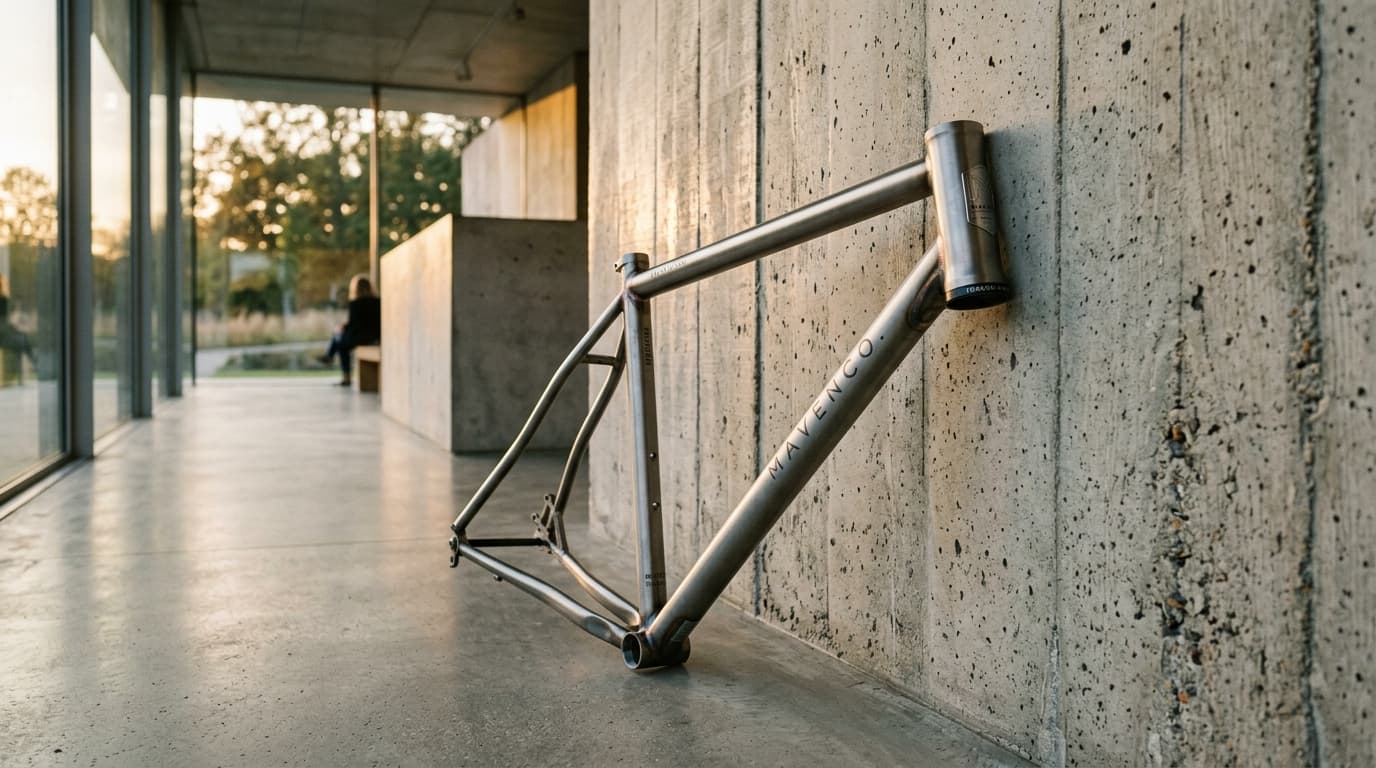
Alkota Bikes — 3D WebGL Titanium Configurator
SELECTED WORKAVORRIA DIGITAL STUDIO · LONDON & GLOBAL
START SOMETHING WORTH BUILDINGWebsite Intelligence
Redesigning an underperforming website is usually the wrong decision. How to diagnose whether the problem is cosmetic or structural — and what the rebuild decision actually costs.
Editorial Analysis — Synthesised from diagnostic patterns observed across 140+ website audits conducted via the Scout engine between 2024 and 2026.
Most website rebuild decisions are made for the wrong reasons. A CEO sees a competitor website and calls a meeting. The marketing team prepares a deck. An agency is briefed. Six months later, a new website launches with a new colour palette, a new font, and the same structural problems that prevented the original from generating commercial pipeline.
There is a consistent pattern across agency-led website projects: the brief describes a business problem (poor lead quality, low traffic, high bounce rate) but the solution delivered is aesthetic (new visual identity, new layout, new photography). The business problem remains. The website simply looks different while failing in the same way.
This happens because most agencies are optimised for design production, not engineering diagnosis. They will redesign whatever you give them. The diagnostic question — whether the problem is visual or structural — is rarely asked because it might reveal that the answer is not a redesign at all.
Each of these is a structural defect. A cosmetic redesign — new Figma templates applied to the existing stack — does not resolve any of them. They require architectural intervention.
Redesigns are appropriate when the underlying architecture is sound but the commercial presentation is genuinely weak. Specifically: when the site renders fast, is fully indexed, generates organic traffic, but converts poorly because the information hierarchy is confusing or the visual identity has become dated.
In this scenario, the problem is the interface, not the engine. A disciplined redesign — conducted in-place on the existing stack — can correct this without the cost and risk of a full migration.
| Condition | Correct Intervention |
|---|---|
| Site is slow, poorly indexed, fails Core Web Vitals | Full architectural rebuild on a modern stack |
| CMS is a plugin-heavy monolith (40+ WordPress plugins) | Migrate to a sovereign headless architecture |
| Visual identity is dated but performance is strong | In-place redesign on existing stack |
| Site generates traffic but converts at under 0.5% | Conversion architecture review — not necessarily a rebuild |
| URL structure needs radical reorganisation for SEO | Rebuild with SEO migration protocol to protect rankings |
The real cost of a rebuild is not the agency fee — it is the six to twelve months of lost momentum while the project is in flight, and the SEO ranking volatility that follows any significant structural migration. These costs are rarely communicated clearly in agency proposals.
A well-executed rebuild on a modern stack — such as the sub-1.2s architecture deployed for Alkota Bikes or the structured digital estate re-engineering for Entire Facilities Management — should deliver measurable improvements in Core Web Vitals and indexation within 90 days of launch. This is the engineering standard Avorria holds itself to.
Before committing to any website project — redesign or rebuild — commission an independent technical audit. The audit should assess rendering performance, crawl coverage, indexation status, Core Web Vitals, and information architecture independently of any proposed solution.
Avorria diagnostic Scout engine produces this assessment in 48 hours. It is the correct starting point for any website investment decision above £10,000.
“Page experience signals — including Core Web Vitals, mobile usability, and HTTPS — are direct ranking factors in Google Search.”
Working with Avorria
We work with small businesses on websites, marketing systems, and digital infrastructure.